
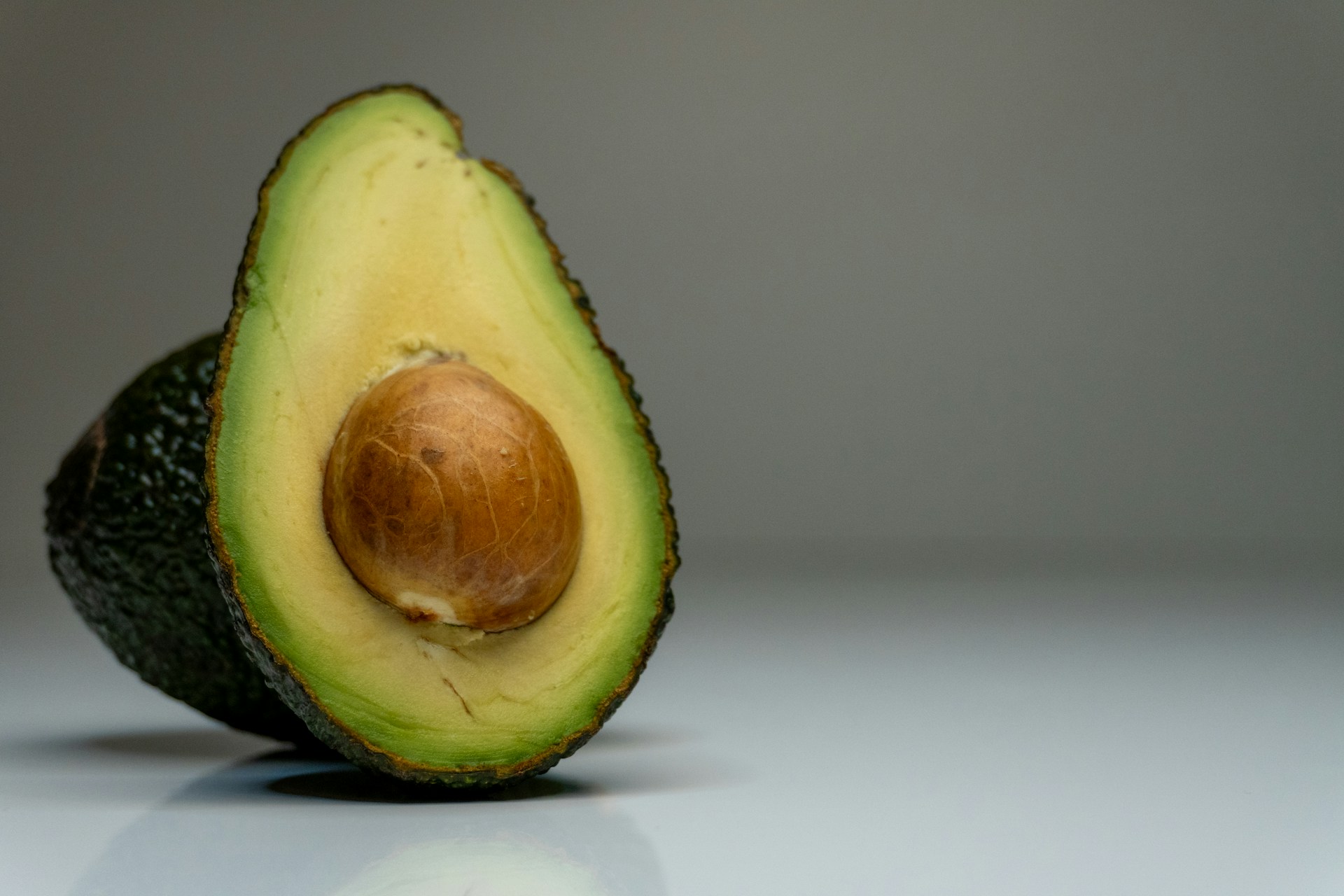
Fats are good! I repeat: fats are good! … some of them.
For decades, we’ve been told that all fats are bad for our health. But the truth is more nuanced—and more delicious. Your body actually needs certain fats to function properly, support heart health, and reduce inflammation. The key is knowing which fats to embrace and which to avoid.
I’d like to give you an easy-to-understand guide on what to look for in foods to help you eat fewer bad fats and more heart-healthy fats.
The Bad Fats: What to Avoid
Most Americans eat diets that are very heavy in the bad fats. Here’s what you need to watch out for:
Trans Fats and Hydrogenated Oils
These fats are mostly produced in a lab or factory, and they should be avoided as much as possible. Trans fats raise your bad cholesterol (LDL) while lowering your good cholesterol (HDL)—a double whammy for your heart health.
Where they hide:
- Processed baked goods (cookies, crackers, pastries)
- Margarine and shortening
- Fried fast foods
- Frozen pizza and microwave popcorn
What to look for on labels: Avoid products listing “partially hydrogenated oil” or “trans fats” in the ingredients.
Excessive Omega-6 Fatty Acids
Here’s where it gets interesting. Omega-6 fatty acids are natural oils and actually good for us in small amounts. The problem? Most of us eat way too much of them.
Omega-6s aren’t inherently bad—in fact, they can lower bad cholesterol and help regulate blood sugar. But when consumed in excess compared to omega-3s, they may contribute to inflammation in the body.
Common sources of omega-6s:
- Soybean oil (the biggest source in the American diet—found in countless processed foods)
- Corn oil
- Sunflower oil
- Safflower oil
- Vegetable oil (usually soybean or a blend)
These oils are everywhere—in salad dressings, mayonnaise, processed snacks, and restaurant cooking. The average American consumes about 10-20 times more omega-6 than omega-3, when the ideal ratio should be closer to 4:1 or even 1:1.

Foods to Avoid or Limit
- Processed foods: Trans fats and excessive omega-6 oils are mostly present in packaged, processed foods. Try to reduce these as much as you can.
- Restaurant meals: When you eat out, it’s hard to avoid these oils since most restaurants use cheap vegetable oils (soybean, corn, or canola) for cooking. If possible, make eating out a treat, not a daily affair.
- Fried foods: Whether from restaurants or frozen, these are typically cooked in omega-6-heavy oils.
The Good Fats: What to Seek Out
You are looking for foods high in omega-3 fatty acids and monounsaturated fats. These are the heart-healthy fats that reduce inflammation, protect your cardiovascular system, and support brain health.
Heart-Healthy Fat Sources
A lot of delicious foods are high in the good fats:
Omega-3 Rich Foods:
- Fish (especially fatty fish like salmon, mackerel, sardines, and anchovies)
- Pro tip: “Wild caught” is usually better than farmed
- Sardines and anchovies are particularly high in omega-3s and low in toxins like mercury found in larger fish
- Flax seeds and flax seed oil (I usually put three or four tablespoons in a blender full of smoothie)
- Chia seeds
- Walnuts
- “Grass-fed” beef and milk (contain more omega-3s than conventional)
- “Pasture-raised” eggs (the yolks are richer in omega-3s)
Monounsaturated Fat Sources:
- Olive oil and olives (my typical oil for salads—extra virgin is best)
- Avocados and avocado oil (my favorite cooking oil)
- Nuts (almonds, cashews, pecans, macadamias)
- Seeds (pumpkin seeds, sesame seeds)
Other Healthy Fat Sources:
- Fresh, frozen, or canned vegetables contain their own healthy fats (if using canned, look for low-sodium options)
- Pasture-raised chicken
- Dark chocolate (in moderation—look for 70% cacao or higher)
Understanding Omega-3 vs. Omega-6
Both omega-3 and omega-6 fatty acids are “essential” fats—your body can’t make them, so you must get them from food. But they have very different effects:
Omega-3 fatty acids are anti-inflammatory. They:
- Protect your heart from irregular rhythms
- Lower triglycerides
- Reduce blood clotting risk
- Support brain health and mood
- Ease inflammation throughout the body
Omega-6 fatty acids in moderate amounts can be beneficial. They:
- Lower bad cholesterol (LDL)
- Raise good cholesterol (HDL)
- Help regulate blood sugar
The problem isn’t omega-6 itself—it’s the ratio. When we consume too much omega-6 relative to omega-3, it can promote inflammation. Our ancestors ate these fats in roughly equal amounts (1:1 ratio), but the modern American diet averages about 16:1 or even 20:1.
Practical Tips for Better Fat Balance
1. Cook with the Right Oils
Best choices:
- Avocado oil (high smoke point, great for cooking)
- Extra virgin olive oil (best for low-heat cooking and dressings)
- Coconut oil (for occasional high-heat cooking)
Avoid or minimize:
- Soybean oil
- Corn oil
- Sunflower oil
- Generic “vegetable oil”
2. Read Labels Carefully
Look for products made with olive oil, avocado oil, or coconut oil instead of soybean, corn, or sunflower oil. You’ll be surprised how many “healthy” products use cheap omega-6 oils.
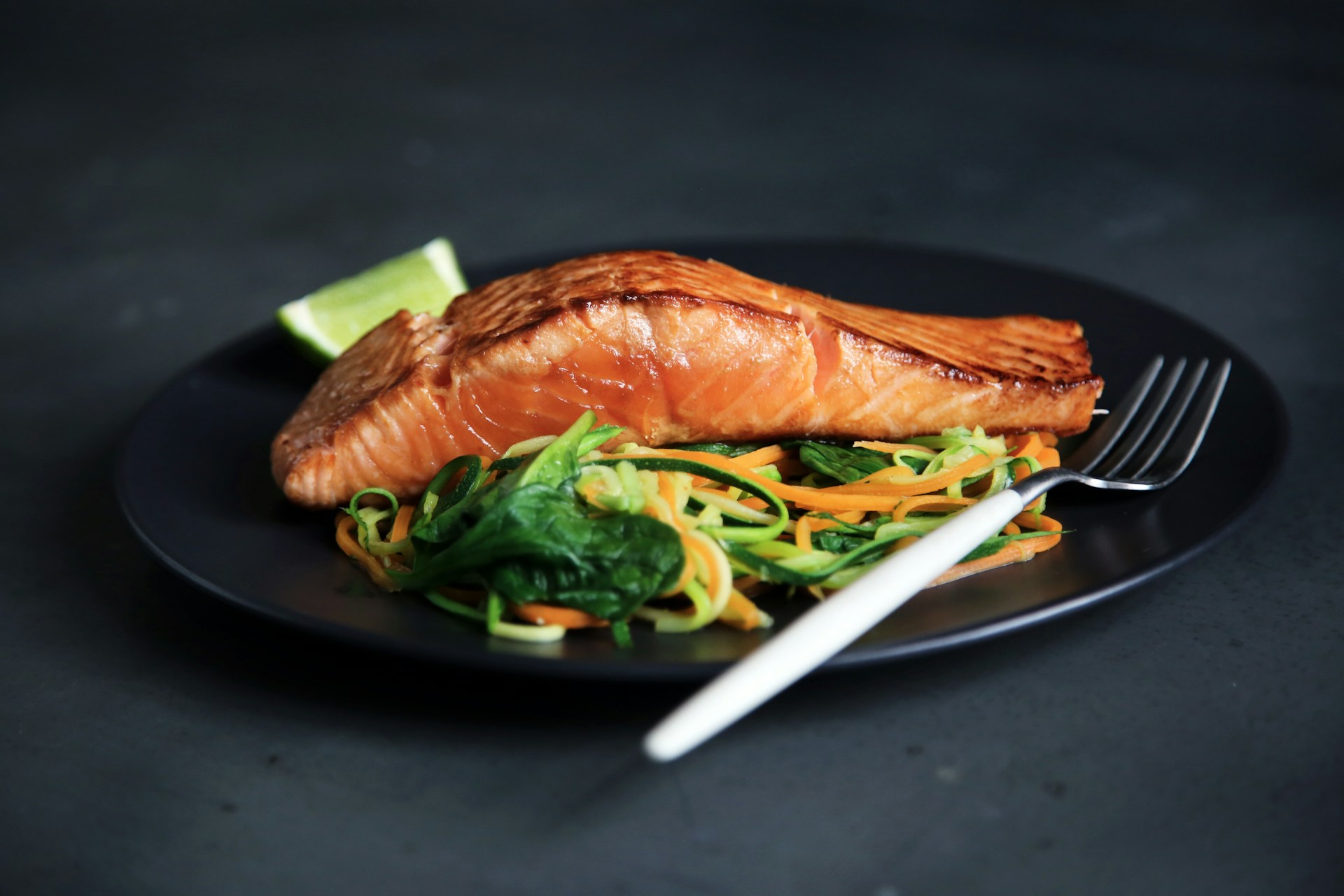
3. Eat Fish 2-3 Times Per Week
Fatty fish is one of the best sources of omega-3s. If you’re not a fish fan, consider smaller portions of sardines or anchovies—they’re nutritional powerhouses.
4. Add Omega-3s to Your Daily Routine
- Sprinkle ground flax seeds on yogurt or oatmeal
- Add walnuts to salads
- Use chia seeds in smoothies
- Choose pasture-raised eggs when possible
5. Reduce Processed Foods
This single change will dramatically reduce your intake of trans fats and excessive omega-6 oils while improving your overall diet quality.
What About Supplements?
In general, I’m big on getting nutrients from your food rather than a pill. But if you find it hard to get lots of omega-3s in your diet (as I sometimes do), it is worthwhile to get an omega-3 supplement of some sort:
- Fish oil (most common and well-studied)
- Krill oil (may be better absorbed)
- Algae oil (plant-based option for vegetarians/vegans)
Look for supplements that are third-party tested for purity and freshness.
The Bottom Line
Not all fats are created equal. By making simple swaps—cooking with avocado or olive oil instead of vegetable oil, eating more fish and fewer fried foods, choosing whole foods over processed ones—you can dramatically improve your fat intake and support your heart health.
Remember:
- Avoid: Trans fats, hydrogenated oils, and excessive omega-6 oils (soybean, corn, sunflower)
- Embrace: Omega-3s (fish, flax, walnuts) and monounsaturated fats (olive oil, avocados, nuts)
- Balance: Aim for a better omega-6 to omega-3 ratio by reducing processed foods and adding more omega-3 rich foods
Your heart—and your taste buds—will thank you!